Don’t Just Plant a Coalition and Pray It Grows
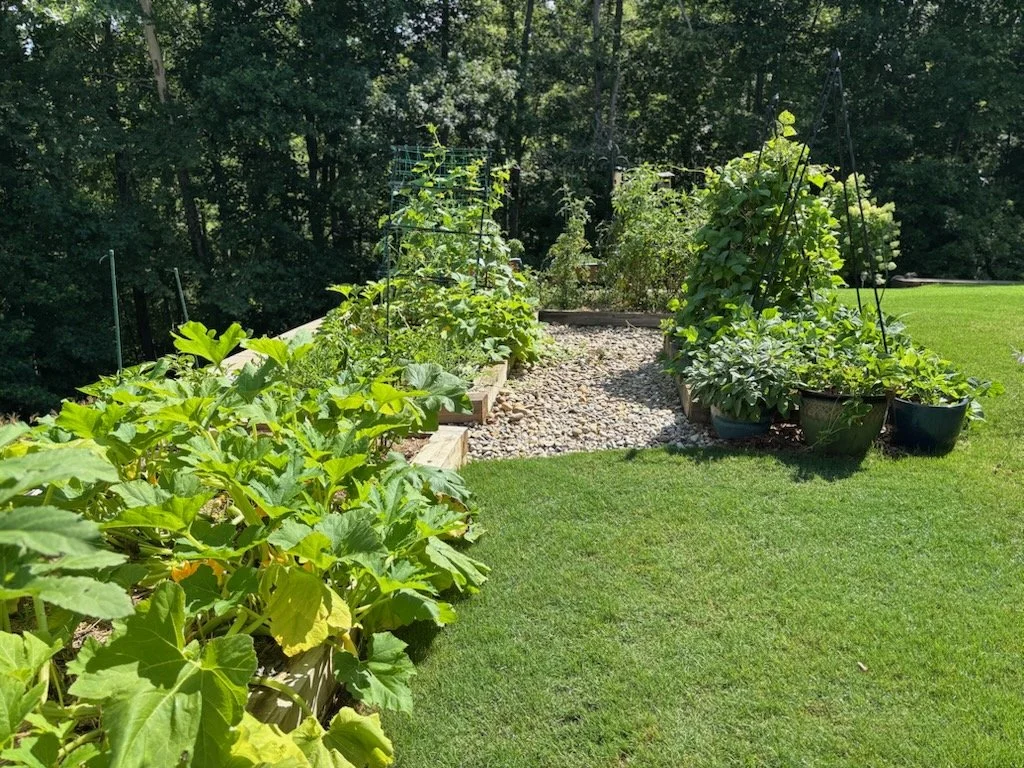
I plant a summer garden every year. Nothing fancy. Just tomatoes, green beans, jalapenos, green peppers, lettuce, squash, some okra. I see you okra haters out there. But trust me, fried okra is the best.
This year, my tomatoes are struggling. I blamed three straight weeks of rain, but other gardens I’ve seen don’t seem to have the early blight that’s plaguing mine.
Truth be told, I am a shove it in the ground and pray it grows kind of person. If my Dad was still with us, he would hate to hear me say that. But it’s true. I’ve listened to lots of podcasts about gardening.
Honestly? I like the results of planting, but I am just not interested in the science of gardening.
Some coalition leaders take the same approach to growing their coalition. They start a coalition, give it a name, hold a few meetings and then wonder why growth stalls.
I recently had a conversation with a leader starting a new community coalition. The question she asked me was, “What should we do to structure our coalition?”
I shared my favorite metaphor of a new coalition, the moving sidewalk at an airport. Imagine two of these moving sidewalks side-by-side. On one side are the coalition structures to build a strong coalition and the other are activities to get the membership excited and engaged.
On the structure side, at a minimum you will need a coalition coordinator, a steering committee, a workplan, and monthly meetings focused on action.
On the other side of the sidewalk are the activities that move the coalition from conversation to action. Activities matter because they give people who care deeply about an issue a way to help create change. Many people join coalitions because of passion, personal experience, or a desire to get something done. They want to see progress, not just sit through meetings.
To make the most of the early momentum, you need to balance your energy along both sidewalks. If you spend too much time on developing structure, people will get bored and may lose interest if they feel like the coalition is spinning its wheels. Spend too much time going from project to project, there won’t be the infrastructure and leadership to sustain the work. The coordinator will be frustrated and exhausted and the work will stall.
Take a look at your coalition’s moving sidewalks. Are you building the structure needed to sustain the work while also creating activities that give people a meaningful way to contribute? If one side is moving faster than the other, choose one small adjustment you can make this month to bring them back into balance.
We have coached many community coalitions. If your coalition needs support, reach out and Schedule a call or check out our Coalition Self-Assessment Tool.
Take Care friend,
Ann
Double-click to edit...