What Does It Take to Solve an "Impossible" Problem Like Workforce Housing? Ask Gilmer County.
How do you tackle a problem that feels too big for one community to fix?
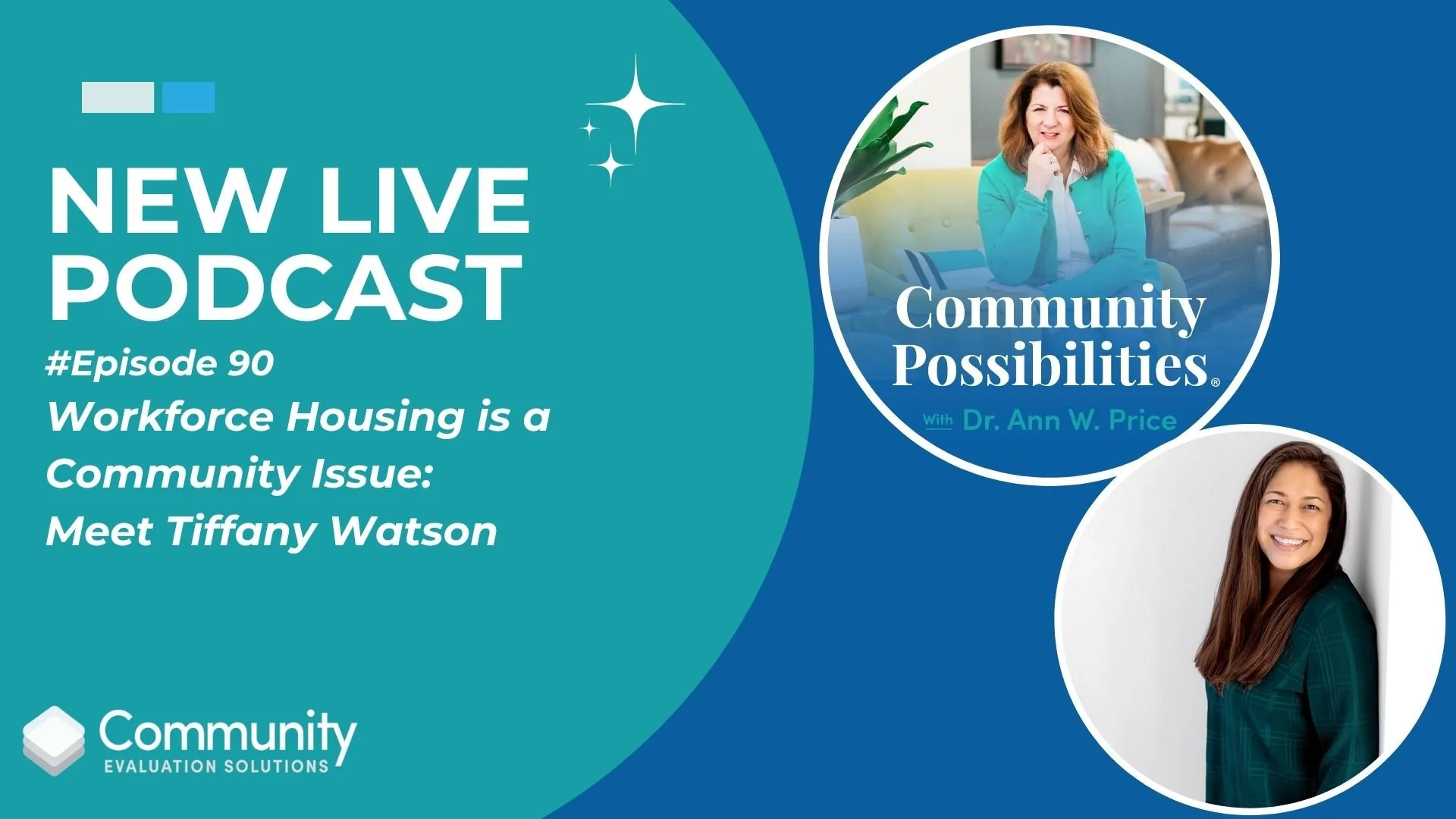
That's the question I kept coming back to during my conversation with Tiffany Watson, Executive Director of Gilmer County Family Connection and Chair of the Gilmer Initiative for Community Housing. Tiffany and her team spent five years working on workforce housing in Ellijay, Georgia, a beautiful mountain town about an hour and a half from Atlanta that has become increasingly popular with tourists and retirees. That popularity came at a cost. Long-term rentals converted into Airbnbs, home prices climbed, and the teachers, restaurant workers, and mechanics who keep the town running found themselves priced out of the community they served.
Tiffany's team didn't start with a plan. They started with a room.
They pulled together stakeholders from the Joint Development Authority, the school system, the county's largest employer, water and sewer, and the nonprofit sector, and they began asking questions before proposing answers. They applied for the Georgia Initiative for Community Housing program through the University of Georgia and were denied the first time. Instead of walking away, they used that year to keep researching, put together a video showing the housing need on the ground, and reapplied. The second time, they got in.
One of the most useful lessons Tiffany shared was about language. Early on, the group deliberately moved away from the term "affordable housing" in favor of "workforce housing."
"There is a stigma that comes with affordable housing," Tiffany told me. "We knew we wanted to target those who are in the workforce."
That small shift in wording helped bring people along instead of putting them on the defensive.
It wasn't all smooth sailing. Tiffany described a zoning meeting so hostile that she and a colleague were shouted down and left feeling defeated. She admitted she went home wondering whether the fight was worth it. But the group regrouped, reminded themselves it was just one location, and kept going.
They also did what many coalitions skip: they measured before they moved. A town hall used real-time polling during the meeting. The poll demonstrated that 90 percent of attendees supported workforce housing. That data gave the group confidence and eventually helped shape a local election; two county commissioners ran and won on housing platforms.
The result is Overlook at Ellijay, a 50-unit apartment community with rents tied to 30 percent of the area's median income. Families started moving in around the Fourth of July.
What stuck with me most is something Tiffany said about leadership. She never set out to be a leader. She just kept showing up, kept researching, and trusted that expertise would come with time.
If your community is staring down a problem that feels too big, too political, or too entrenched, Tiffany's advice is simple: you don't have to reinvent the wheel. Reach out to a community that has already done the work.
You can hear the full conversation here:
Workforce Housing Is a Community Issue: Meet Tiffany Watson
And if today's episode has you thinking about your own coalition's next steps, grab my free Coalition Self-Assessment Tool.
Take care, friends,
Ann